
 Zain Ul Abideen
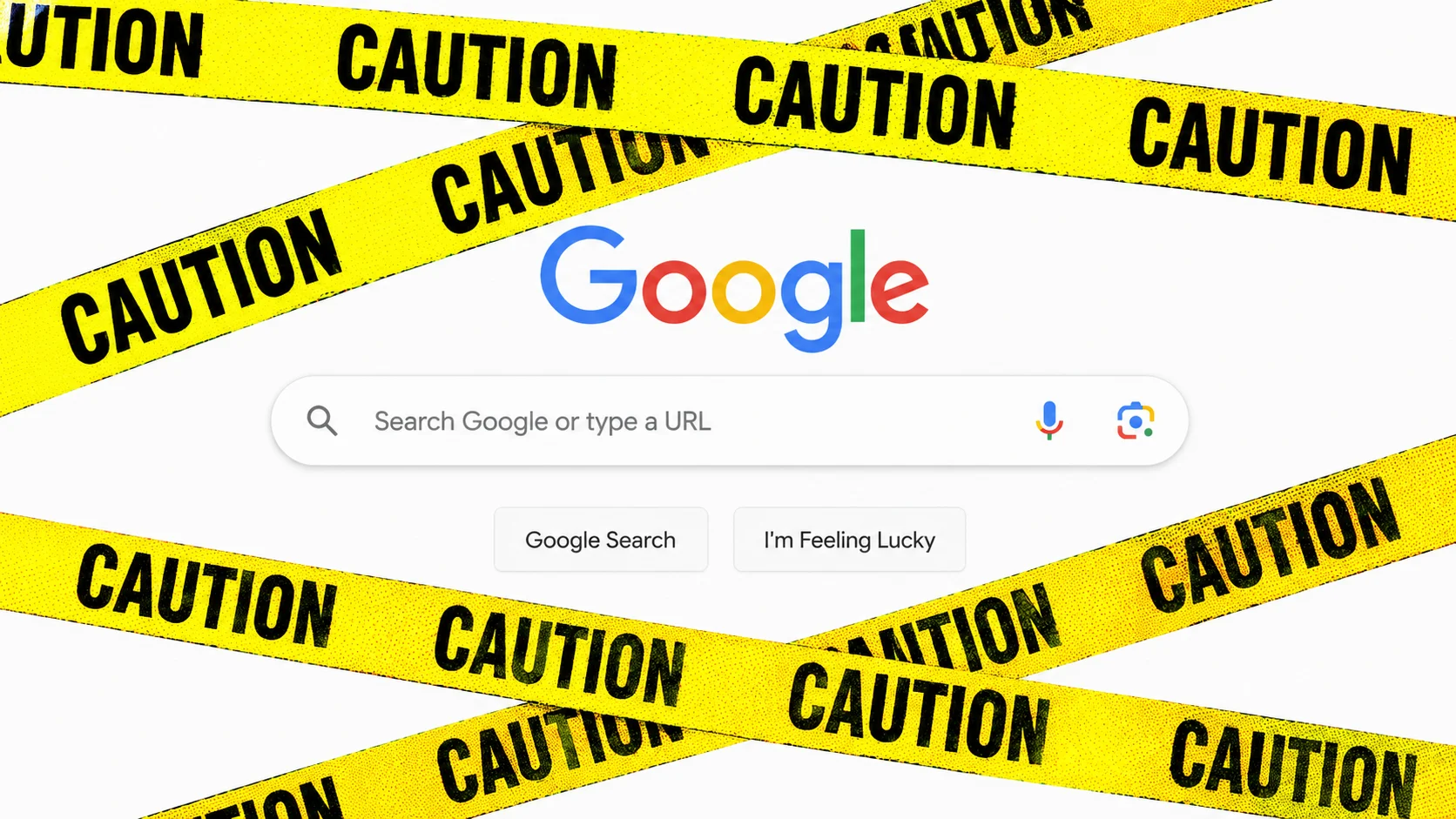
Google has always been the main way people find information on the internet. But now, with its new AI search, things are starting to change.
Instead of just showing websites, Google is now giving direct answers inside the search page. This makes searching faster and easier for users.
But this change is big. It can also reduce traffic to websites, especially blogs, tutorials, and news-style content, because people may not need to click on different pages anymore.
My analysis is that this update could completely change the internet in the long term.
For users:
- Answers will be faster
- Research will become easier
- People may not need to open multiple websites for simple queries
But for creators and the SEO industry, this could also be risky.
Google’s old model was:
“Show the best websites.”
Now the model is becoming:
“Give the answer directly.”
That is a huge shift.
The biggest impact will likely hit:
- informational blogs
- affiliate websites
- basic tutorial sites
- news summary websites
- “what is,” “how to,” and “best X” style content
because AI can summarize that content directly inside search results.
At the same time, low-quality AI spam websites may disappear. The sites that survive will likely be:
- strong brands
- websites with real expertise
- communities and forums
- original research
- creators with human trust and authority
This is why SEO itself is shifting toward:
- EEAT
- personal experience
- original insights and data
- community building
- video content
- newsletters
- brand searches
- social media presence
I think in the future:
- traditional Google SEO alone will not be enough
- building a loyal audience and brand will become more important
Creators may need to rely less on Google traffic and focus more on direct audiences.
Another important point:
Google itself is also taking a risk. If AI answers become unreliable or damage the open web ecosystem too much, users could move toward alternatives like OpenAI tools, Perplexity AI, Reddit communities, YouTube, or niche communities.
So overall:
- user experience may improve in the short term
- publishers will likely lose traffic
- SEO is not dead, but the old version of SEO is definitely becoming weaker.

GIPHY App Key not set. Please check settings